Monday, August 8, 2022

How do writers do it?

PLOTTER VS PANTSER

We asked our FIRST LOVE Anthology authors to give us a glimpse into their Writing Processes - Plotter? Pantser? or a Mix of Both? Here's what they said...

On top of the world -- Oia, Santorini
I definitely began my writing career as a Pantser which is now more kindly known as a Discovery Writer. Not to say I didn't TRY to be a Plotter, but it just didn't stick. Now, like many writers, I combine both. I roughly outline chapters I'd like to write, then find my beginning, then "discover" my story as I write. Usually, I dump my ideas under forthcoming chapter headings, calling these the "bare bones" waiting to be fleshed out. During this process, I rely heavily on my critique partners and the occasional editor friend. 

As I'm very visual, my best stories have been written after immersing myself in another country, another culture. For example, the story I wrote for the IWSG Romance Anthology was based on a gem of an idea that surfaced during a trip to Santorini in the Greek Islands which was followed by lots of research into its tragic history. I find it easy to put myself into the place of my characters and suffer along with them. 
-- Denise Covey, Marmalade Sunset


I am a plotter. At least, I am now. I went in sans plan with my first novel—a vampire romance (Thank you very much, Stephanie Meyer.) Much like a creature of the night, that book will never see the light of day. Well, I say never, but who knows. Trends are cyclical. If the vampire craze finds new life, maybe I’ll dust it off and start over…with an outline this time. 
-- Kim Elliott, Clyde and Coalesce


I am a mix of a plotter and a pantser. I like to have a good foundation for the story and its structure to make sure I have an actual story and an idea of where it's going, but if I plan too much, I have a hard time wanting to write. Part of the fun of writing is discovering the characters and their journey, and I find I don't know that well enough until I start writing in the main character's voice and putting them in sticky situations. The downside is I then often have big structural revisions because I use the first draft partially as a discovery tool but, as they say, you can't edit a blank page, so having something down leads me to the final version, even if it's not the most efficient way. 
-- Sammi Spizziri, The Real Thing


I’m an outliner. It was very necessary for my five book series where I had to keep track of the overlapping stories as they moved forward in time. It was also necessary for my two non-fiction titles. (Critical!) However, the project I am working on now is a bit more free-form. Three of the stories were plotted mostly in my head and the fourth is a re-write of a very old story. 

I used to edit as I went, but now I finish a story first before going back to edit. And 99% of my fiction pieces originated from a dream. So, sometimes it’s a challenge just to write a story that make sense. 
-- L. Diane Wolfe, Dancing Lemur Press, L.L.C.


I'm a bit of both a pantser and a plotter. I never preplan. I always start out with an idea, scene, or emotion and write until I can’t go anymore. When I run out of steam, I take a break and then write out an outline or sets of goals for the story and its characters. I never take less than four passes at a manuscript before sharing with others for feedback. 
-- Sylvia Ney, Paper Faces


My writing process looks a lot like being attacked by butterflies. If butterflies carried ten pound cannonballs, dropping them randomly and maliciously. I'll be in the middle of doing something useful, like cooking dinner, when the butterflies choose to chuck a giant idea on me. WHAM, 'What if we wrote a story based on that meme we saw? That really funny one? About beauty seeing the library and becoming an instant roommate to the beast whether he likes it or not?'. With all the ideas fluttering about, you could definitely call me a Pantser. I take an idea after it lands on my head, and run with it. Sometimes I fall flat on my face and the idea goes into the discard bin. Sometimes it works, and the idea turns into a story. I've never met such thing as an outline. They tend to avoid me. I think it's all the butterflies.
-- SE White, The Castle of Ohno


The way it generally goes is that I get an idea for a story and start writing it. Then I get bored of the idea (or I get stuck), so I come up with a new idea and start working on that until I’m bored or stuck. Now, you might think that at this point I go back to work on Idea #1, but you’d be wrong. I usually come up with a third idea. The upshot of all this is that I generally have between three and ten different stories that I’m “working on” at any given moment and it’s six-to-five and pick ‘em which one I will eventually finish. In fact, it’s genuinely surprising that I manage to finish anything at all. 
-- Templeton Moss, My First Love(s)
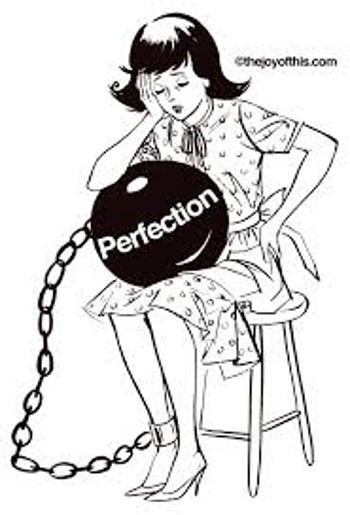

My writing process is painful. I cannot stop myself from editing as I go. I cannot write the next sentence until I've composed the "perfect" sentence, or the next paragraph until I have perfected the last one, or the next chapter... you get the idea. The good news is, once I've finished my first "draft," my manuscript is pretty much ready to go. Unless I think of a major plot twist, in which case I have to go back and revise all my "perfect" sentences and paragraphs and chapters. And since I'm more of a pantser than a plotter, that happens a lot. As I said, painful!
-- Linda Budzinski, The Art of Making Doughnuts


I’m a mix of a plotter and pantser. I go into the story with a baseline of who my characters are and what I want to happen, but I always leave room for the magic. I love when my characters surprise me, so if they happen to veer off course, I adjust my plans to accommodate. I suppose that makes me a plantser. :)
-- Katie Klein, How to Save a Princess


I plot the basic story, then I half-plot, half-pants the scenes. I flesh out my plot notes in paragraph form, right in the drafting document, and delete them as I go. This allows me to jump forward and write a scene out of order if I get a burst of inspiration.
-- Melissa Maygrove, My Heart Approves


And there you have it, some insightful examples of different ways to get through the writing process. What about you? Are you a plotter or a pantser or a little of both? Can you relate to some of these writing processes? Maybe you found something new to try.

Whichever way you write, keep writing!

Monday, July 11, 2022

Summer of Writing

Writers never stop writing... Here we get a glimpse at what the authors from our latest anthology FIRST LOVE are up to. I'm sure they will whet your appetite for a fantastic future read by giving you a taste of their writing personality...


I'm taking a break before starting my next novel and writing a novelette that will be free to my newsletter subscribers. I don't write insta-love romance, so it has been both a challenge and a delight, drafting a shorter, less-complicated book.
~ Melissa Maygrove, "My Heart Approves"


I’m currently working on a screenplay. Lately, I’ve been writing screenplays and then using them as a treatment/foundation for a novel. This will be the third project I’ve completed like that. It’s a romance, of course, and while I haven’t quite nailed down the logline yet, the gist of the story is: a celebrity musician suffering from a very public/humiliating break-up returns home to hide out only to fall for her best friend from high school, who’s now a single dad. 
~ Katie Klein, "How to Save a Princess"


I’ve spent six months editing book two of my YA superhero trilogy, Heart of a Hero. The more I change, the more ideas I get. It’s a totally different (and better) book now. My characters had it too easy in the first draft, so I added some PAIN. I won’t give spoilers, but readers should prepare to shed tears! My beta readers will receive the manuscript by the end of July, and I aim to publish late summer. Then it’s on to book three…
~ Kim Elliott, "Clyde and Coalesce"


I have three projects started, and I hope you will help me decide which one to focus on completing first. Please let me know in the comments which one you would like to see the most. I welcome feedback, questions, and ideas!

Story #1: “Moving On” is a contemporary romance. Zach Sanders is tired of being fixed up by his best friend Joe. He isn’t enjoying the dating scene, and in fact, can’t get over his forbidden crush: Joe’s sister Katherine. When Katherine moves back to town and sparks fly, will they be able to create a meaningful relationship, or is he doomed to remain single forever? 

Story #2: “Praying for Death” is a murder mystery. Detective Henry Spence is looking into a string of seven murders that have all happened over the course of the last year. The only connection between all seven victims is a single woman who has an alibi for five of the deaths. Is Sabrina Heigel merely unfortunate enough to know these victims, or worse yet, is she somehow becoming a serial killer? 

Story #3: “Saving Grace” is a fantasy short story, a series about empaths. While excavating an ancient cave, archeologist Grace Marten uncovers a hidden treasure. Now the brotherhood, a centuries old enemy of the empaths, will stop at nothing to retrieve one item in particular and silence her forever. Damon De Santis offers her aid, but does she dare trust him with her life? 
~ Sylvia Ney, "Paper Faces"


I'm super excited to say that my current work in progress is... The Art of Making Doughnuts! I fell in love with the characters in my short story for the anthology, so I'm working on turning it into a novel! I am expanding the story (obviously) and also writing it in dual point of view, so we can learn more about Pete and his backstory and experience his emotional arc as well as Gina's. My day job is particularly busy these days, so the writing is going very slowly, but I'm taking my time
and enjoying the writing.
~ Linda Budzinski, "The Art of Making Doughnuts"


I have published 6 books, and this is the book that has excited me from the get go. I’ve been playing with taglines to encapsulate the story, working title, Le Petit Paris Kitchen Cookery School. Let me share what I have so far…

“Drama, romance, and passion are layered, flavoured, tasted, left to simmer, not unlike the traditional French recipes scattered throughout the book.”

“Food, love, passion for Paris, combined with characters layered with shades of darkness combined with a good measure of charisma.”

“More than cooking goes on in this kitchen.”

“Absolutely delicious … like a warm hug.”

“If you love reading about food, Paris, love, feisty characters, this is a book you will relish.”

~ Denise Covey, "Marmalade Sunset"


My last book release was 2013 – How to Publish and Promote Your Book Now, based on my experience as a publisher and the book publishing and promoting seminars I teach. (And I’ve since updated it, too.) However, my next book project has been in the making since 2015 since I have been so busy with Dancing Lemur Press book releases. Those come first, so time to work on my own stuff has been scarce.

After the release of Alex J. Cavanaugh’s book, CassaDark, I’ve had some time to revisit my project and work on it. I’m happy to say the novelettes that comprise In Darkness are coming together. The Vampire is with our editor. The Werewolf is next. I am on the second draft of The Shark. Then I will finish and polish The Alien. And who knows? Maybe I can solve the saggy middle issue and The Ghost will become a reality, too. Either way, it is such a joy to be writing again!
~ L. Diane Wolfe, owner of Dancing Lemur Press, L.L.C.


I hope you enjoyed this sampling of what's up and coming. May you be inspired to read and write to your heart's desire this summer!

Monday, June 13, 2022

Writing Contests - Worth the Effort

Have you ever entered a writing contest? How did you do? If not, why not?

Writing contests can be a great source of inspiration, feedback, and creative exercise. Here, the authors of the First Love IWSG Anthology expound on the pros and cons (mostly pros) of entering a writing contest.


From Kim Elliot...
I’ve entered a few brand-sponsored contests on Wattpad.com. I was thrilled to win Hilroy’s #startwriting contest and Tim Hortons’ #timscoldbrewstories contest. Each of those earned me a nice cash prize which I’m using to finance my novels. Contests are a great way to spark creativity and compare your style to other writers. I plan to enter many more!


From Linda Budzinski...
For me, contests provide a great source of inspiration. I love having a prompt, a specified word count, and a deadline. A blank page can be daunting, but the parameters inherent in contests make the creative process more manageable. "The End" is in sight before you've even set pen to paper! And while the result--potentially winning and/or having my story published for others to read--is exciting, I try to allow the joy of writing and creating to be an end in itself.


From Denise Covey...
I don't enter writing contests as a rule. The IWSG Anthology was different as I'd wanted to see a romance genre contest ever since it started. So when the romance contest was announced, I felt duty bound to write a story seeing I'm a romance author. It was great to win a place and I'm really excited to see the Anthology published. 

From S.E. White...
I enter writing contests because apparently I really enjoy pain. Sorry, bit of sarcasm sneaking in. Really, I enter writing contests for the honest editorial feedback from unbiased readers (i.e. not my friends and obligated to sugarcoat anything). I firmly believe that editors and beta readers are my best friends, catching my plot holes, boring moments, and downright embarrassing mistakes. Sometimes I don't have a trusty, brutally honest beta reader to turn to. Editors can get quite pricy, and occasionally they aren't in my budget. But a writing contest is usually pretty cost-effective (ranging from free to 20 or 30 dollars to enter) and gives me at least three different judges feedback. Well worth the occasional sting, in my recommendation.


From Michael DiGesu...
I enter writing contests mainly to sharpen my skills and to hopefully have a strong enough entry to be published. This was the first time one of my stories has been chosen, and I am thrilled. Contests force you to write, polish, and submit. They are a wonderful way to have your stories read by professionals, and that can lead to bigger and better things. I generally submit to at least five contests a year. Several have been through Writer’s Digest and others through mainstream magazines like the New Yorker or GQ. My advice on them is to be select. Submitting to smaller publications or through writing blogs may be best to way to start. Contests like the ones through Writer’s Digest can get costly and they are extremely competitive. 

None of my stories have ever made it into even the top 50. They must get thousands of entries and they take months to read through them all, and once they finally do select the winners, it can be a huge let down. Anthologies are also a great way to submit because several stories are chosen and you have a much better chance. Contests are good training for querying your works to publishers and agents. Most of us know how tedious this can be, but if you are selected, it makes it worth your time and effort.


From L. Diane Wolfe, Dancing Lemur Press, L.L.C. ...
The best advice for entering writing contests: be sure to follow the guidelines. Submit the correct genre and proper word count. If there is a theme, adhere to it. Send exactly what the contest requests and be sure to include all of your contact information. Failing to follow the guidelines just means your story will be rejected. After all that hard work, you don’t want to blow your chances.
http://dancinglemurpress.com


From Katie Klein...
I think contests are a great way to gain exposure and build credibility. Anyone can host a contest, though, so my advice to writers would be to make sure to do your homework. A little research will go a long way in determining if the contest is reputable and the winners deserving. Also, entry fees can be high, so be sure to prioritize.  


From Sylvia Ney...
I only rarely enter writing contests. I refuse to pay for entry into a contest so I only enter free ones - either because I support those putting the contest together, I support what they are trying to accomplish, or they are offering FREE feedback by credible sources. I really value IWSG so I have submitted to a couple of their anthology contests. This is the second time I've had a story chosen for the group anthology. I also have a piece called "WIN" in the first anthology: Parallels. I have also had work chosen for publication in multiple other contests including; "Forgotten Memories" which appears in It's in the Gulf - a disaster relief fundraiser, "Homegrown Love" which appears in The Searcher: Spring 2014 - a publication that focuses on raising awareness of the importance of genealogoy, history, and libraries, and "An Interview of Tim O'Brien" which appears in Proud to Be: Writing by American Warriors Volume 2 which is an annual anthology contest put on by Southeast Missouri State University Press and the Warriors Arts Alliance.


I've entered my share of contests and had some published, some not. Whether you're in a slump, need to take a break from your WIP, or just in the mood to try something new -- Look for a writing contest! You can always give the prompt a go and whip up a short story, then decide later if you want to submit it or not. The writing is the important part. The more you write, the better you get!

Happy Writing!